
Hospitality is a science
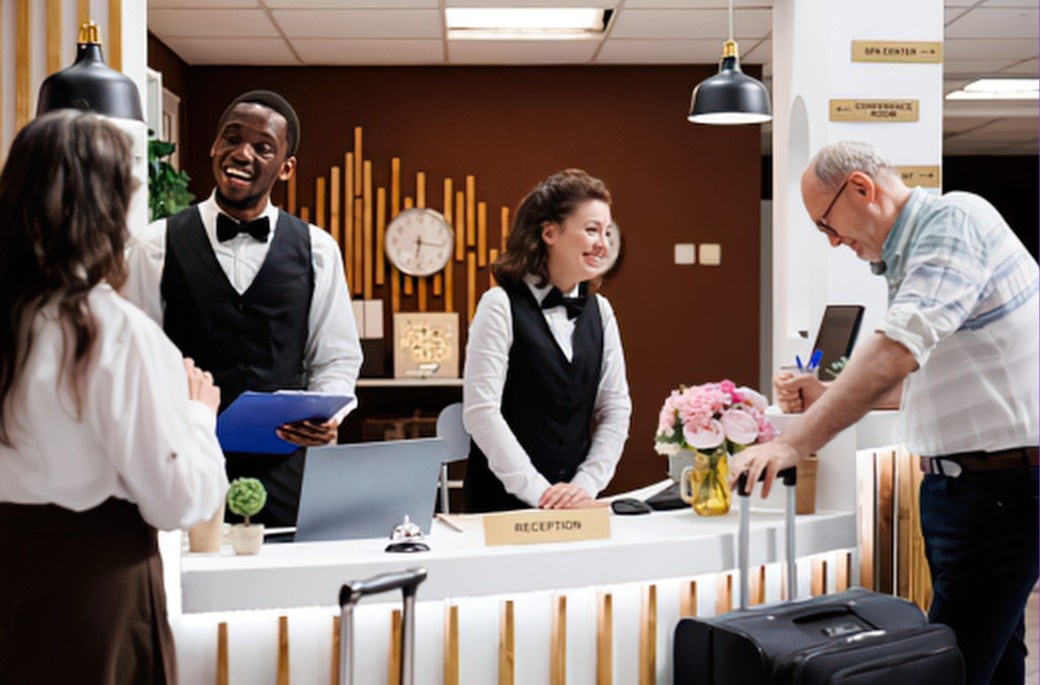
Hospitality is more than being friendly
Why hospitality is a profession
Hospitality is a science. There is still something curious about the way we look at hospitality. As if it is mainly about being nice. Smiling, saying good morning, making people feel welcome, and making sure the coffee is ready on time. And the work itself? Surely anyone can do it. A perfect summer job for students who want to earn some extra money. Anyone who looks at hospitality that way seriously underestimates the profession. Great hospitality requires much more than friendliness. It requires knowledge of people, behavior, communication, and expectations. A hospitality professional needs to observe, listen, sense, anticipate, and act, often all at the same time. Within seconds, they need to understand the person in front of them and adjust their behavior accordingly, without making the interaction feel artificial or rehearsed. That is not a trick. It is a profession.
The science behind the feeling
What makes hospitality so fascinating is that the outcome is experienced as a feeling, while behind that feeling lies an entire world of knowledge. Psychology teaches us how first impressions are formed. Behavioral science helps us understand how people respond to attention, recognition, and trust. Environmental psychology explains why a space can make us feel welcome or uncomfortable. Communication science shows us how words, body language, timing, and tone of voice influence an encounter. Even something as simple as greeting someone by name has meaning. Eye contact, an open attitude, genuine interest, and careful listening all influence how safe and welcome someone feels. A great host may not consciously apply all this knowledge, but knows instinctively how to put it into practice. That is what makes hospitality such a fascinating profession. From the outside, it can look effortless. Often, that effortlessness is precisely the sign that a professional is at work.
Reading a guest before they ask
An experienced hospitality professional does not wait for a guest to explain what they need. They observe. Not casually, but with intention. How does someone enter? Rushed or relaxed? Are they looking for contact or would they rather have some space? Is there uncertainty, irritation, or perhaps a need for help? Then the real work begins. What do you say? When do you ask a question? When is it better to leave someone alone for a moment? When do you follow the procedure and when does the situation call for initiative? No two guests are the same, and no encounter can be completely predicted. That is also why I do not believe in rigid scripts. Those who are truly good at hospitality develop a kind of human antenna. Not to read minds, but to recognize signals and respond to them professionally. That requires experience, training, and above all, a great deal of Human Intelligence.
Not a summer job, but a profession
Of course, a student can be an exceptional hospitality professional. Age has nothing to do with it. But the idea that hospitality work is therefore simple or unskilled does the profession a serious injustice. A great hospitality professional can influence the entire experience of a guest. They can reduce tension, turn a complaint into trust, make an unfamiliar place feel comfortable, and transform a first visit into the beginning of a lasting relationship. Those are serious responsibilities. We take it for granted that professionals are trained in finance, marketing, technology, or sales. Why, then, would we assume that dealing professionally with people comes naturally? There is an enormous amount to learn.
Hospitality belongs in the boardroom
That is also where I believe organizations have an important responsibility. Hospitality should not only live at the reception desk, in the restaurant, or on the shop floor. It deserves a place in strategy, leadership, culture, and professional development. Because hospitality influences much more than customer satisfaction. It affects trust, loyalty, employee experience, reputation, and ultimately people’s willingness to return. An organization can have an outstanding product and perfectly designed processes, but when people do not feel welcome, something essential is missing. Perhaps it is time to stop treating hospitality as something that simply happens. Friendliness may come naturally. Professional hospitality requires knowledge, practice, sensitivity, and craftsmanship.
Hospitality may feel like warmth. But behind that warmth lies a world of knowledge.
10 August 2026 |
ChiefHospitality